
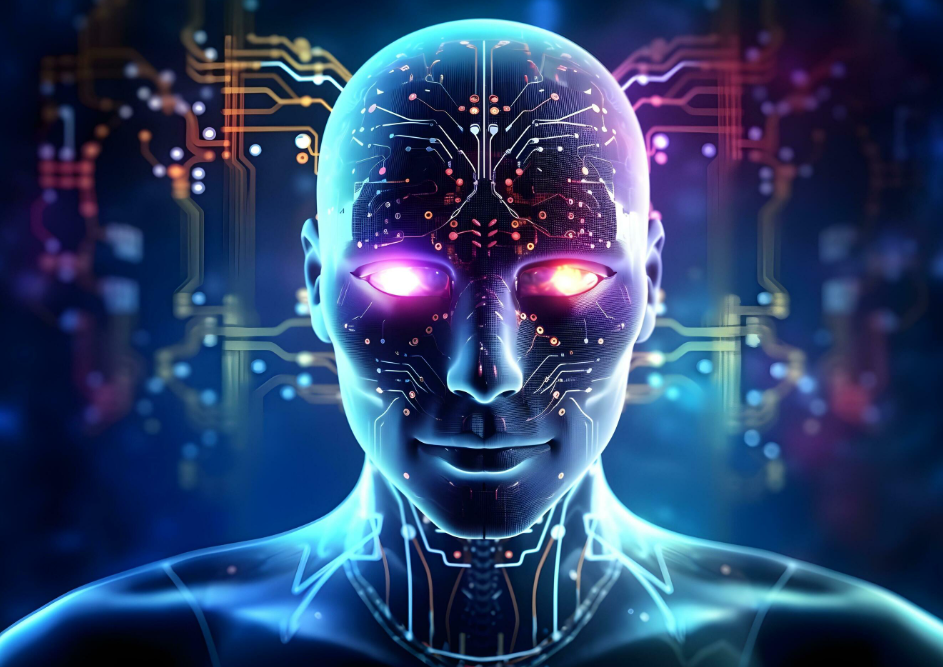
Artificial Intelligence (AI) in 2025 refers to advanced computer systems that can perform tasks requiring intelligence, reasoning, learning, and decision-making capabilities traditionally reserved for humans.
Definition and Core Concepts
AI is the field of building computers and machines that reason, learn, and act using massive datasets, algorithms, and models to simulate human thinking and solve complex problems. Technologies often termed as AI include machine learning, deep learning, natural language processing (NLP), computer vision, and generative AI, all enabling systems to classify objects, predict outcomes, understand language, and create original content.
Capabilities and Applications
In 2025, AI is integral to diverse sectors—healthcare, finance, robotics, education, and e-commerce—unlocking new possibilities in personalization, automation, scientific discovery, and human-computer interaction. AI-powered agents and tools increasingly operate autonomously, handling tasks from customer support to medical diagnosis and scientific research.
Trends and Innovation
AI in 2025 is rapidly progressing toward smaller, specialized models tailored for specific tasks, increased reasoning capabilities, and newly autonomous agents that execute complex workflows in business and daily life. Generative AI—capable of creating content—and improvements in memory, reasoning, and contextual understanding mark the state of the art, while human oversight and ethical deployment remain a priority.
Impact
AI is at the forefront of modern computing, driving innovation, accelerating scientific breakthroughs, and fundamentally changing how society works, learns, interacts, and solves problems. Responsible development and deployment are stressed as AI systems become more autonomous and embedded in everyday life.